
Chimney Honeybee Removal
Most common removal type. Bees enter through the flue top or under the cap. An established colony can fill a chimney pot to the grate. This is the removal our team does most often.
Our Process

Survey
We identify the entry points and use thermal imaging to determine the size and location of the colony within the structure.

Access
Using towers, scaffolding, or MEWPs, we gain safe access. For chimneys, this often means lifting the cap or pot.

Removal
Bees are carefully vacuumed into a live-catch box or frames are lifted out intact. The queen is located and secured.

Comb extraction
Every trace of comb, honey, and wax is scraped out. This is crucial to stop secondary pests and future swarms.

Proofing
The void is treated to mask pheromones, and the entry points are permanently sealed with stainless steel mesh.

Reinstatement
We rebuild the structure to its original condition, often using matching period materials like lime mortar.
Key Information
Duration: Typically 1-2 days
Guarantee: 5 years against return to the same spot
Outcome: Bees relocated alive to our apiary
Relevant Case Study
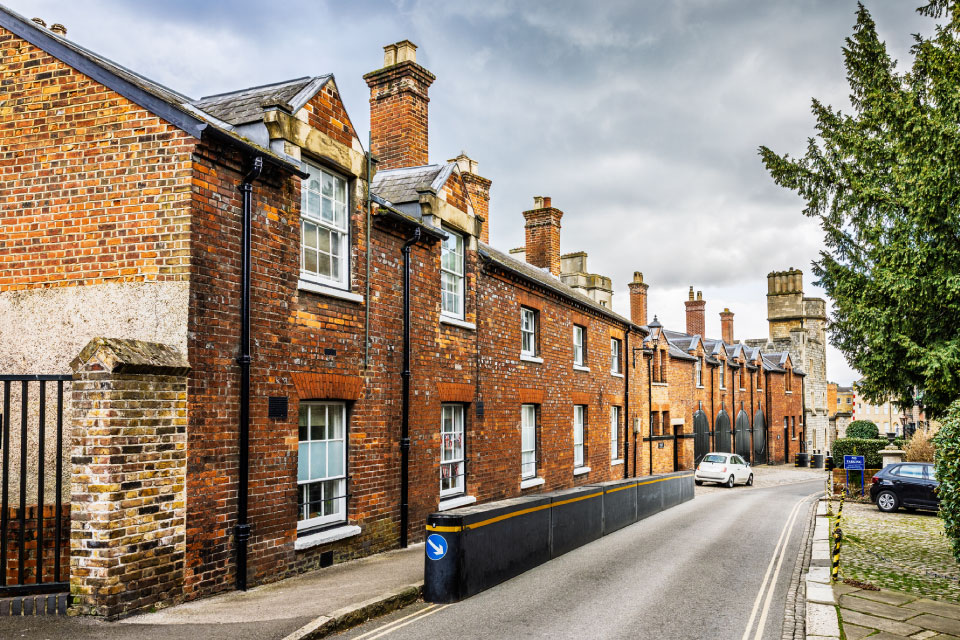
Grade II listed chimney
Victorian chimney stack, 4-year established colony, 18kg of comb recovered. Full reinstatement with lime mortar.