
Outbuilding and Shed Honeybee Removal
Often easier to access, but full extraction of comb and live bees is still required to prevent structural damage and secondary infestations.
Honeybee Removal from Sheds and Outbuildings
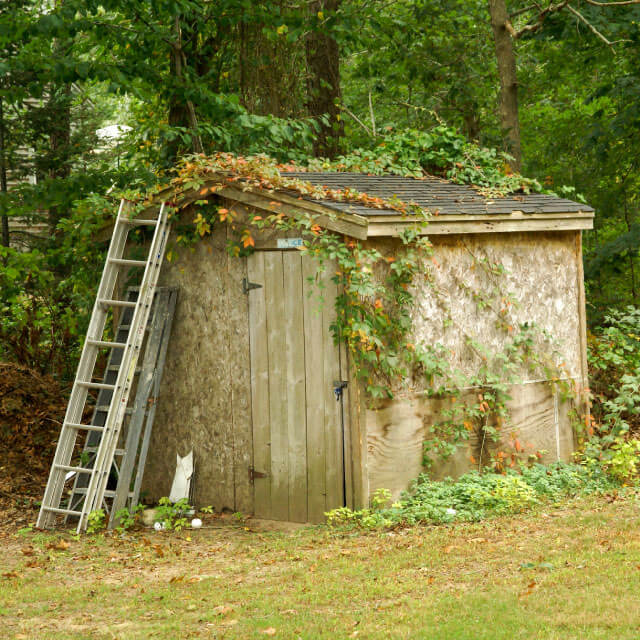
Sheds, garages, workshops and other outbuildings can provide honeybees with sheltered places to establish a colony. While bees are beneficial to the environment, a nest close to a doorway, storage area or frequently used workspace can make the building difficult to use.
BeeSure Bee Removal helps property owners find appropriate solutions for honeybees nesting in sheds and outbuildings. We work with specialist partners to assess the situation and consider responsible removal and relocation where possible.
Where Do Honeybees Nest in Outbuildings?
Honeybees may establish a colony inside wall cavities, roof spaces, wooden structures or other sheltered areas. They can also gather temporarily on branches, fences and the exterior of buildings during swarming.
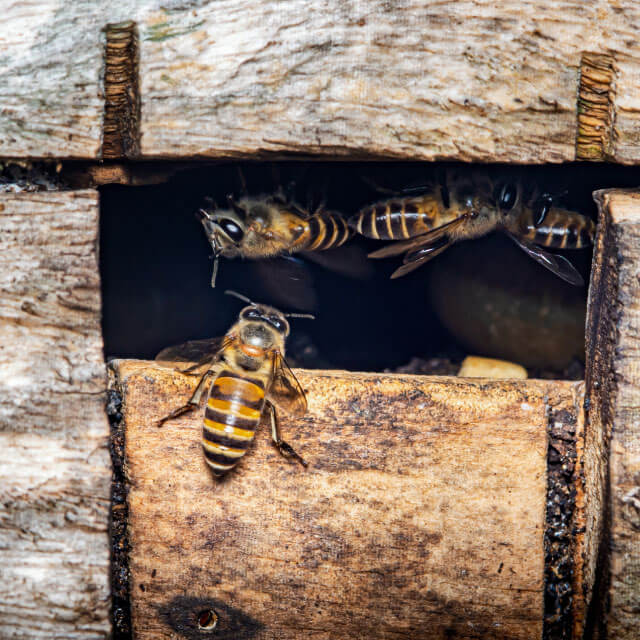
Possible signs include:
Bees repeatedly entering a gap in the shed or building.
Sustained activity around roof edges, walls or door frames.
Bees gathering inside a roof space or storage area.
A cluster of bees hanging from a branch or other outdoor structure.
Identifying whether the bees have formed an established colony or are part of a temporary swarm is important when deciding what to do next.
Our Approach to Shed and Outbuilding Bee Removal
Different structures present different challenges. A wooden garden shed may offer easier access than a brick-built garage or insulated workshop, while a colony inside a roof space may require more specialist work.
Our approach may include:
Identifying the location:
Establishing where the bees are gathering or entering the structure.
Assessing the building:
Considering the construction, access and any practical limitations.
Arranging appropriate removal:
Working with specialist partners to identify a suitable solution, including live relocation where feasible.
Preventing future nesting:
Advising on possible entry points and suitable repairs once the colony has been dealt with.
We aim to help you understand the available options before any work begins.
Can Honeybees Be Relocated?
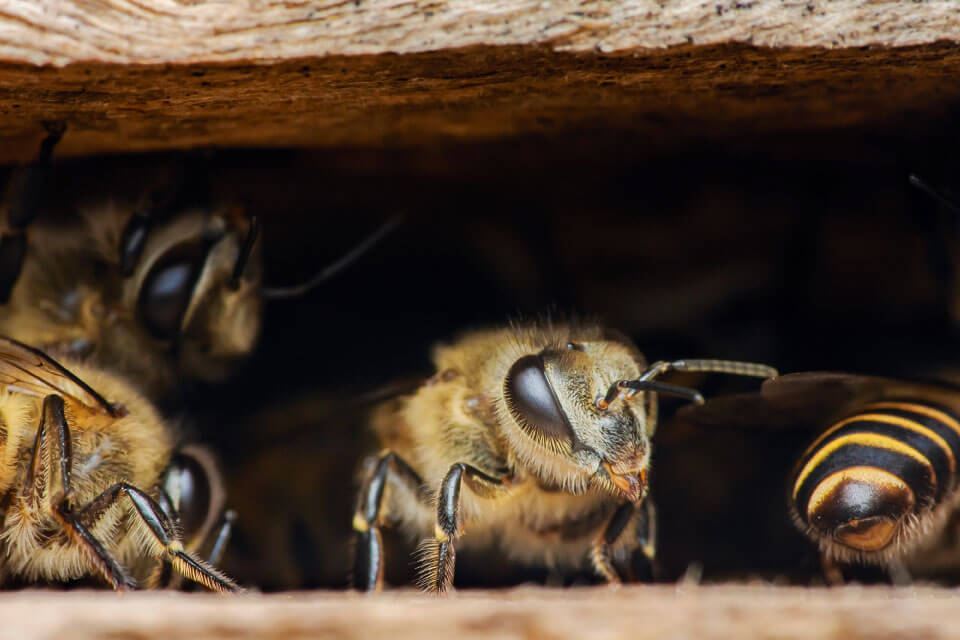
Depending on the circumstances, it may be possible to remove a colony alive and arrange its relocation. The feasibility of this depends on the colony's location, condition and accessibility, as well as the removal method required.
A temporary swarm resting outside a shed may need a different response from a colony established within its walls.
Frequently Asked Questions
Can I use my shed while bees are nesting inside?
This depends on the location and level of activity. If bees are entering the building or are close to the entrance, avoid disturbing them and seek advice before using the affected area.
Do all bee nests need to be removed?
Not necessarily. The appropriate response depends on the location, risks and whether the colony can remain without causing problems. A specialist can help assess the situation.
Can a colony in a wooden shed be relocated?
Live removal and relocation may be possible, depending on how the colony is established and how accessible it is.
How can I prevent bees from returning?
Once the colony has been dealt with, suitable gaps and entry points can be assessed and repaired to help reduce the chance of another colony nesting there.